Choosing the Right Software: A Practical Guide for Growing Firms
With thousands of tools promising efficiency, automation and clarity, choosing the right software can feel overwhelming.
Most platforms appear similar on the surface, and every vendor insists their product is the answer.
In reality, smart selection has very little to do with the demo and everything to do with how your business actually works day to day.
Good decisions come from understanding your workflows, your maturity and your priorities before comparing options.
This article explains how to cut through the noise, focus on what matters and choose tools that genuinely support your team rather than complicate their work.
Every week, another platform promises to revolutionise how you design, manage projects, or communicate with clients. The demos sparkle. The sales decks show perfect dashboards.
It’s easy to feel that if you’re not adopting the latest thing, you’re falling behind. But most wasted software spend doesn’t come from bad technology, it comes from rushed decisions.
The right solution aligns with how your firm actually operates. The wrong one forces you to twist workflows, retrain staff, and explain again why you’re paying for features no one touches.
At Ingenious, we help firms see past the hype and choose tools that quietly fit the way they already succeed.
Too Many Options, Too Little Clarity
Right now, there are thousands of tools for design, project management, CRM, and finance, many claiming to do exactly the same thing.
They all promise productivity, but few fit neatly once they meet the messy reality of projects, deadlines, and people.
One AEC firm we met was using five different systems to manage drawings and approvals. Each department had chosen its own favourite. Nothing integrated, data was duplicated, and no one trusted the dashboards. It wasn’t bad software. It was too much software, chosen without a common goal.
When that happens, start with outcomes, not options. Ask: “What are we actually trying to improve?” If a vendor can’t express that in your business language, they’re not selling a solution, they’re selling hope.
Choice paralysis is a hidden cost. Every meeting debating features or chasing another demo drains senior time. We’ve seen firms delay projects for months because they were still “reviewing platforms.”
Here’s a practical pause-check: If you can’t describe the measurable improvement you expect; in hours saved, errors reduced, or visibility gained. you’re not ready to buy yet.
At Ingenious, we often help clients press pause, tidy their internal processes, and then revisit the shortlist with fresh eyes. Nine times out of ten, half the tools drop off immediately, because clarity shrinks complexity.
What Good Selection Looks Like
Smart software selection looks almost dull from the outside, because it’s disciplined, not impulsive.
It starts with mapping what you already use. Where are the overlaps? Where’s the genuine friction? Then evaluate each contender against fit. Does it integrate cleanly with existing systems? Can staff adopt it without losing momentum?
We guided an engineering consultancy comparing four major project-management suites. The flashiest demo seemed irresistible, until we tested it with real data. Import times tripled, reports broke, and the licence cost doubled. They chose a simpler tool that saved 20 percent of staff time within three months.
Because “best” rarely means “best for you.”
What made that decision successful wasn’t luck, it was context. They stopped judging software like a beauty contest and started treating it like an employee interview:
- Does it understand the job?
- Can it work with the team?
- Does it add value on day one?
That mindset removes ego from technology. You don’t need the biggest name on your invoice — you need the tool that lets your architects, engineers, and project managers move faster with fewer surprises.
So next time you review options, test them in your world, not in the vendor’s demo.
How Ingenious Guides the Process
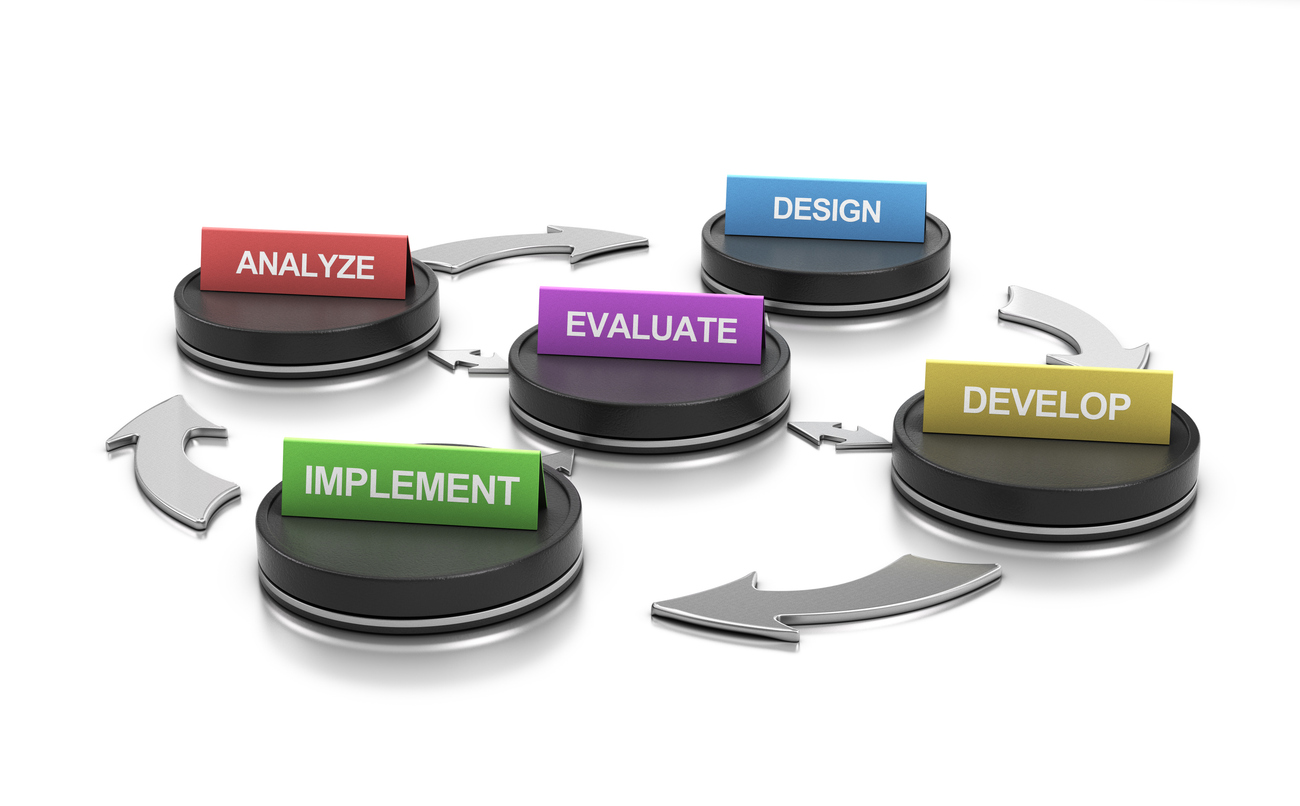
At Ingenious, our role is to keep your decisions grounded in evidence.
We’ve already sat through the pitches, dissected the features, and tested the integrations across real AEC environments. So when we advise, it’s not guesswork, it’s pattern recognition.
We translate vendor language into business outcomes. We challenge vague ROI claims and focus every conversation on one thing: measurable improvement.
The result? You invest only in tools that earn their keep.
And once you’ve chosen the right platform, we don’t disappear. We help roll it out smoothly, ensure licences match usage, and measure whether it’s delivering what was promised.
Because picking software isn’t a one-off decision. it’s part of your operational ecosystem. When it’s done right, you see fewer surprises, more predictability, and a team that finally trusts the systems they use.
If you’re facing that “too many choices, not enough clarity” moment, let Ingenious sit between you and the sales noise.
We’ll help you buy less, choose better, and get back to focusing on the work that really matters.
Conclusion: Choose Tools That Fit Your Business, Not the Other Way Around
The best software decisions happen when you begin with your workflows, your goals and the real problems you want to solve. Not with the loudest vendor or the flashiest demo.
When you evaluate tools based on fit, integration and long term value, you build a system that supports your teams rather than overwhelming them.
Ingenious helps firms cut through the noise, test vendor claims and make decisions based on evidence, not pressure.
If you are reviewing your toolkit or planning an upgrade, we can help you choose with clarity and confidence.
👉 Begin by taking our Service Self Assessment for a quick maturity snapshot.